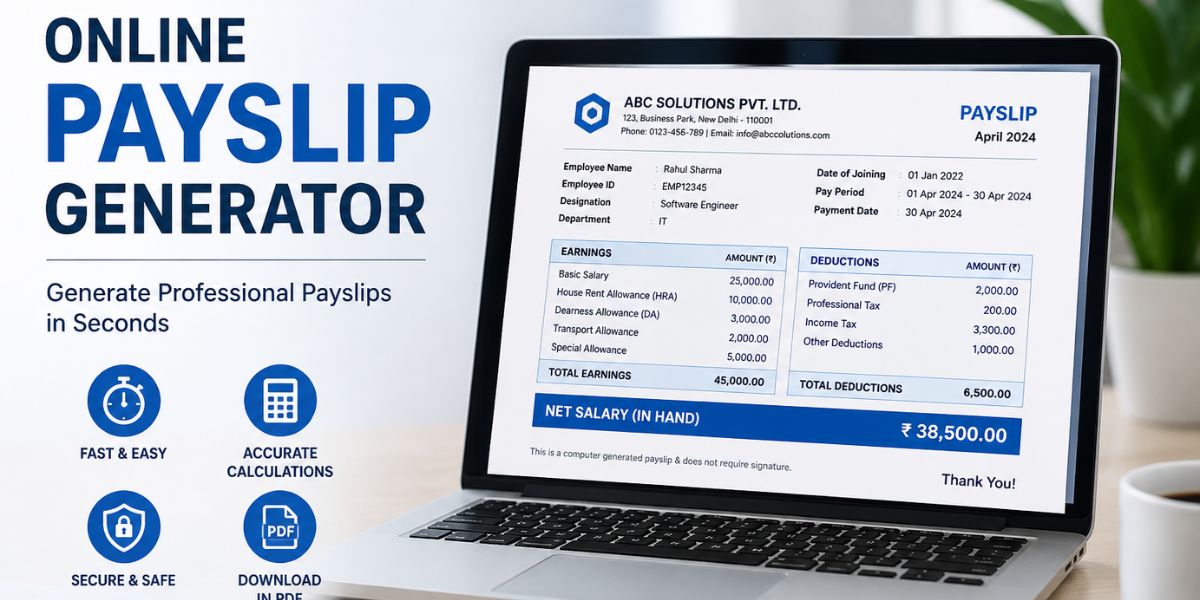
Getting paid from another country can still be a bit unpredictable. Sometimes it’s quick; other times it takes a few days longer than expected. The amount that comes through can also look slightly different once fees and exchange rates are applied.
The xrp price is usually what people notice first when they search for it, but that doesn’t really explain why it comes up in discussions about payments. What matters more is how money actually moves, especially when it’s being sent between countries.
Sending money across borders is still not straightforward
Most international transfers go through more steps than people realize. It’s not always a direct transfer from one bank to another. In many cases, there are intermediaries involved and each one adds a bit of time or cost.
From the outside, it just feels like waiting. But behind that, there’s a chain of processes happening before the money reaches its final destination. That’s why something simple can end up taking longer than expected.
Fees are another part of it. Some are clear, others are built into the exchange rate. You don’t always notice them straight away, but they’re there.
The scale of these payments is quite large. Data referenced by the Federal Reserve puts global remittances at around $905 billion in 2024. So this isn’t a niche issue. It’s something that affects a lot of people. Even with that, the process itself hasn’t changed that much.
Why faster settlement is becoming more important
Work isn’t always tied to one country anymore. It’s common to get paid by a company or client based somewhere else, especially with remote roles and freelance work.
That makes timing more noticeable. Waiting a few days might not seem like a big deal once, but it adds up when payments are regular.
It also affects how people manage things day to day. Bills and expenses don’t move in the same way, so delays can make things feel slightly out of sync. It’s not always a major problem, but it’s something people start to pay attention to.
Because of that, there’s been more focus on how quickly payments settle. Not just whether they arrive, but when they actually become usable.
Where XRP comes into this without overcomplicating it
XRP tends to be mentioned in this space because it’s often linked to payments rather than just trading. The idea behind it is fairly simple, even if the details can get technical.
Instead of funds moving through multiple intermediaries, transactions can be settled more directly. In some cases, that reduces the time it takes. That’s the part people usually focus on. Not the mechanics, just the outcome.
XRP is also widely available on platforms like Binance, which is where many people first come across it. That visibility plays a role in why it keeps appearing in discussions.
It’s not replacing traditional systems. Most payments still go through banks. But it sits alongside those systems as something that’s being tested and used in certain situations.
Digital payments are already starting to shift
There are small signs that payment habits are changing, although it’s not happening all at once. It’s more gradual than that.
One example is crypto-linked payment cards. These allow people to spend digital assets in everyday transactions, which wasn’t really common not long ago.
Binance reported around $115 million in crypto card payments in January 2026. Compared to traditional systems, that’s still relatively small. But it shows that usage isn’t limited to trading anymore. It’s not a full shift from one system to another. It’s more like an extra option being added. People still use banks, but there are other ways starting to appear.
Price gets attention, but movement of money matters more
Price is the easiest thing to follow, so it’s what most people look at first. The xrp price gets talked about a lot, but it doesn’t always reflect how the system is being used.
What tends to matter more here is how money moves. Whether it’s quick, how much it costs and how reliable it is.
Platforms like Binance, which handled around $34 trillion in trading volume in 2025, give some idea of the scale involved. That’s a large amount of activity and it shows that digital assets are already part of a wider financial system. Looking at usage alongside price usually gives a better sense of what’s going on. It shifts the focus slightly.
What this means for how payments are changing
Payment systems don’t really change overnight. It’s usually slower than that. New options appear and people start using them where they make sense. Cross-border payments are one area where this is more noticeable. The demand has been there for a long time. What’s changing is how those payments are handled.
XRP is one example of that. It’s part of a broader move towards making transfers more direct, especially where existing systems still feel slow. For people receiving money from abroad, the difference might not always be obvious straight away. But over time, even small changes can make things easier to manage.